
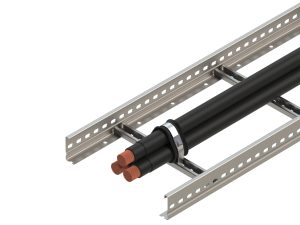
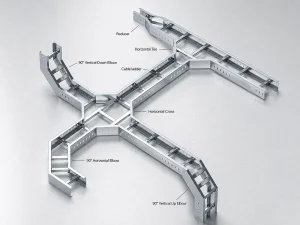
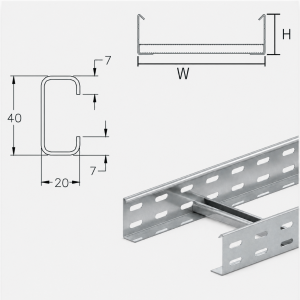
Extra Heavy-Duty Cable Ladder
列表描述

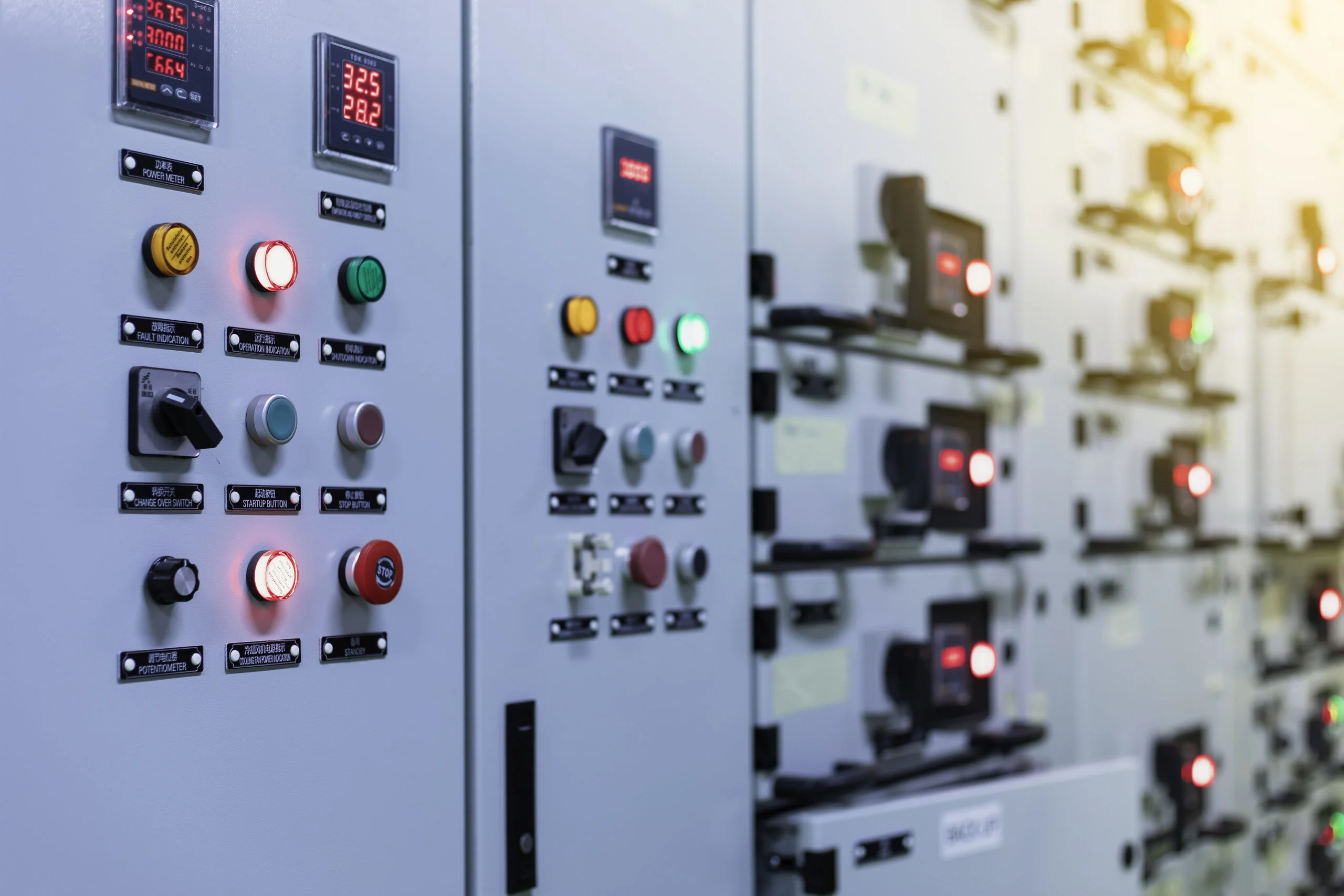
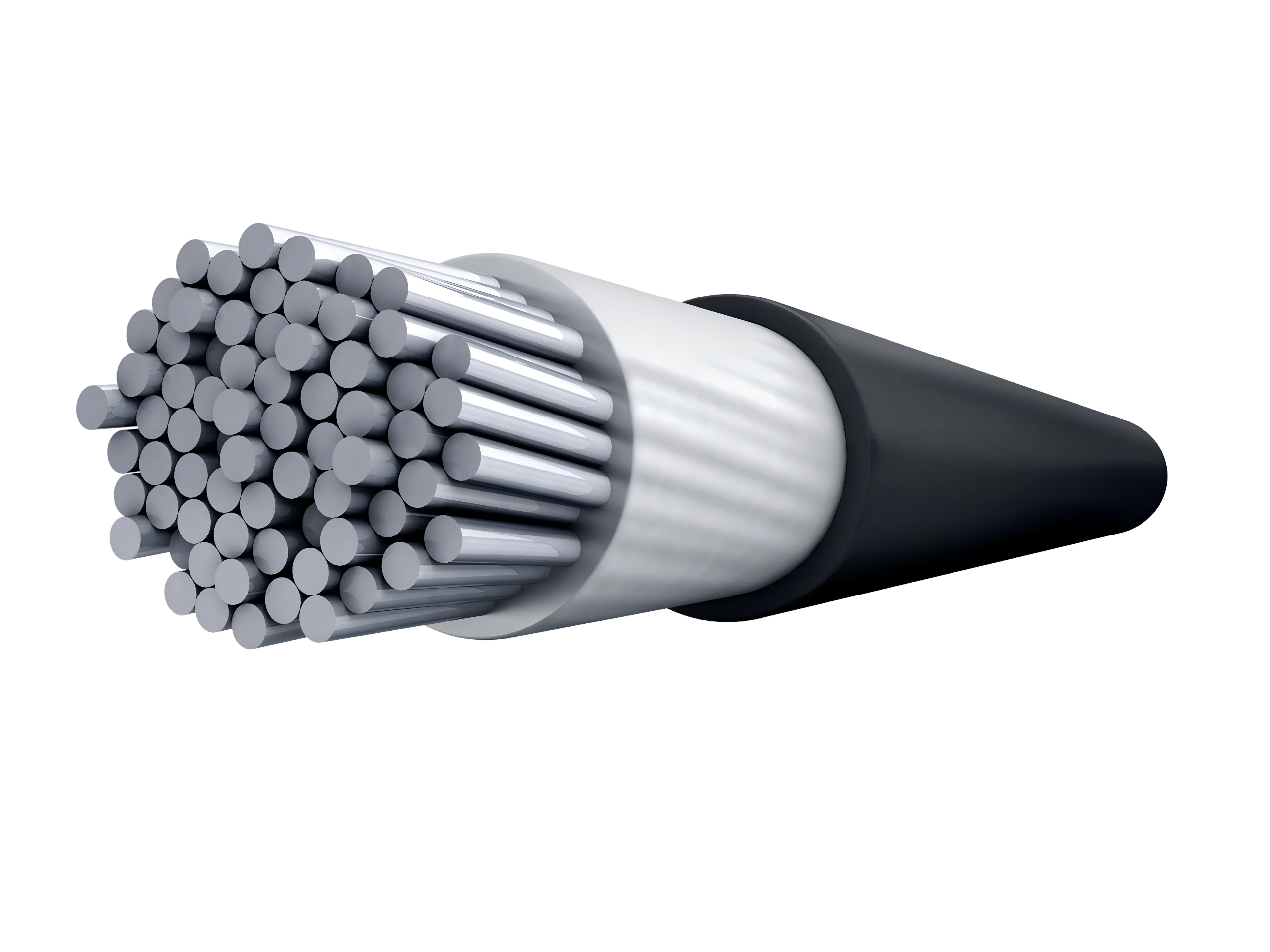
Aluminium cables are the smart choice for modern electrical projects, offering a cost-effective, lightweight, and corrosion-resistant alternative to copper.
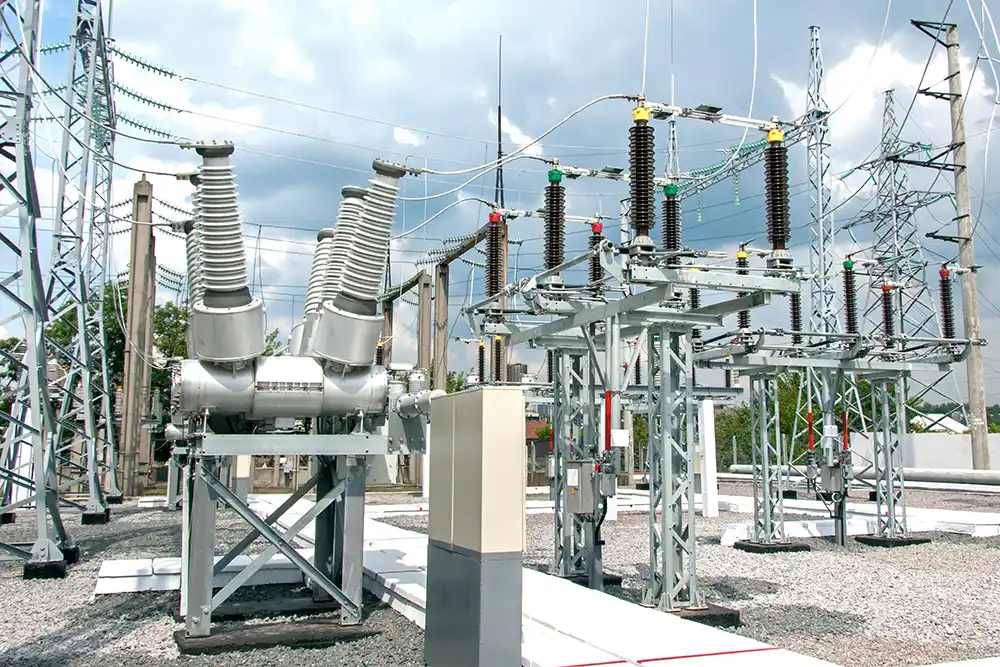
Engineered for power transmission and distribution, aluminium cables deliver a unique combination of lightweight durability, high current-carrying capacity, and exceptional weather resistance. They are the preferred choice for critical infrastructure such as overhead lines, substations, and renewable energy grid connections, as well as for urban networks and rail electrification projects—including metro and railway systems—ensuring efficient and reliable power delivery.
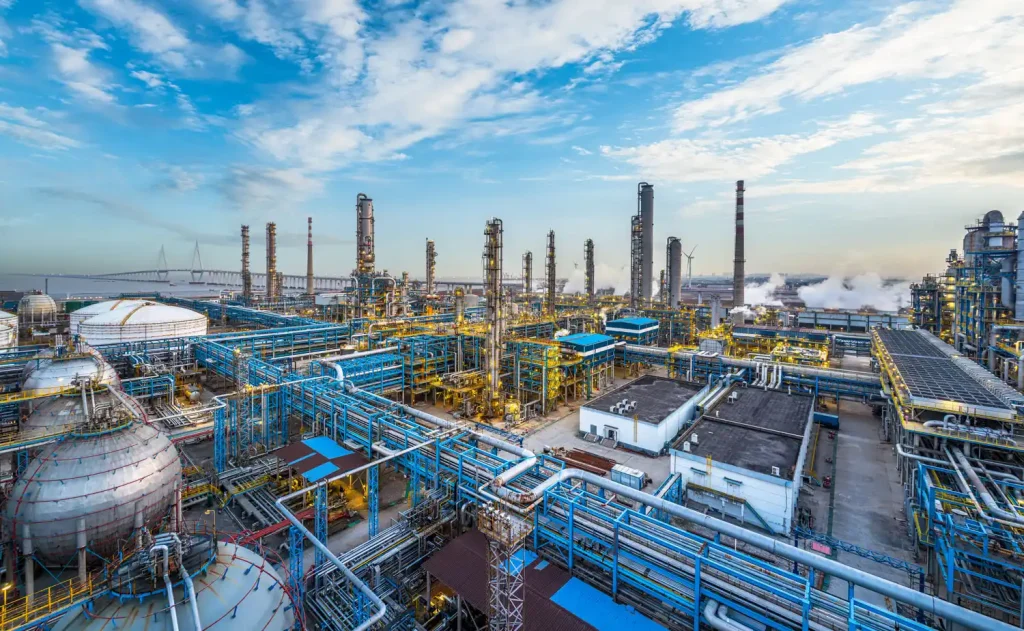
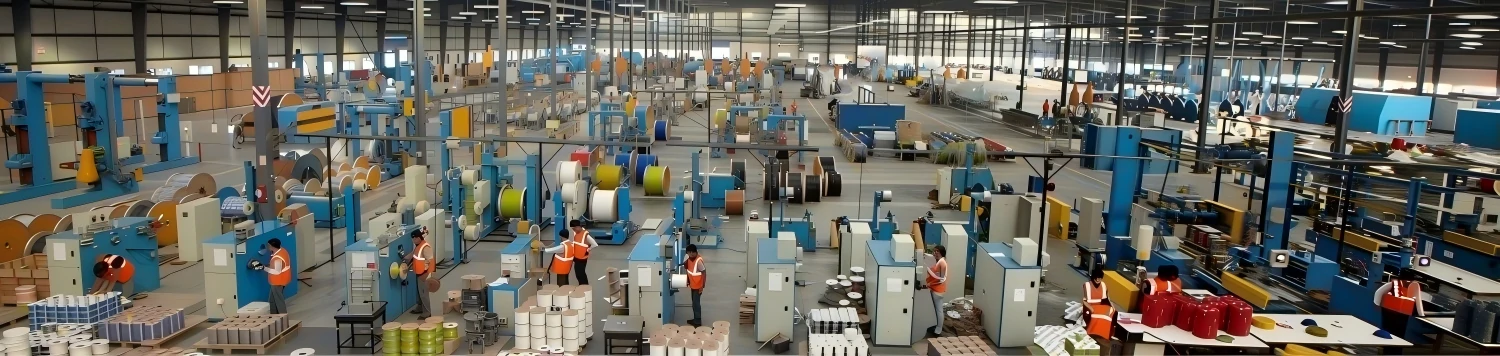
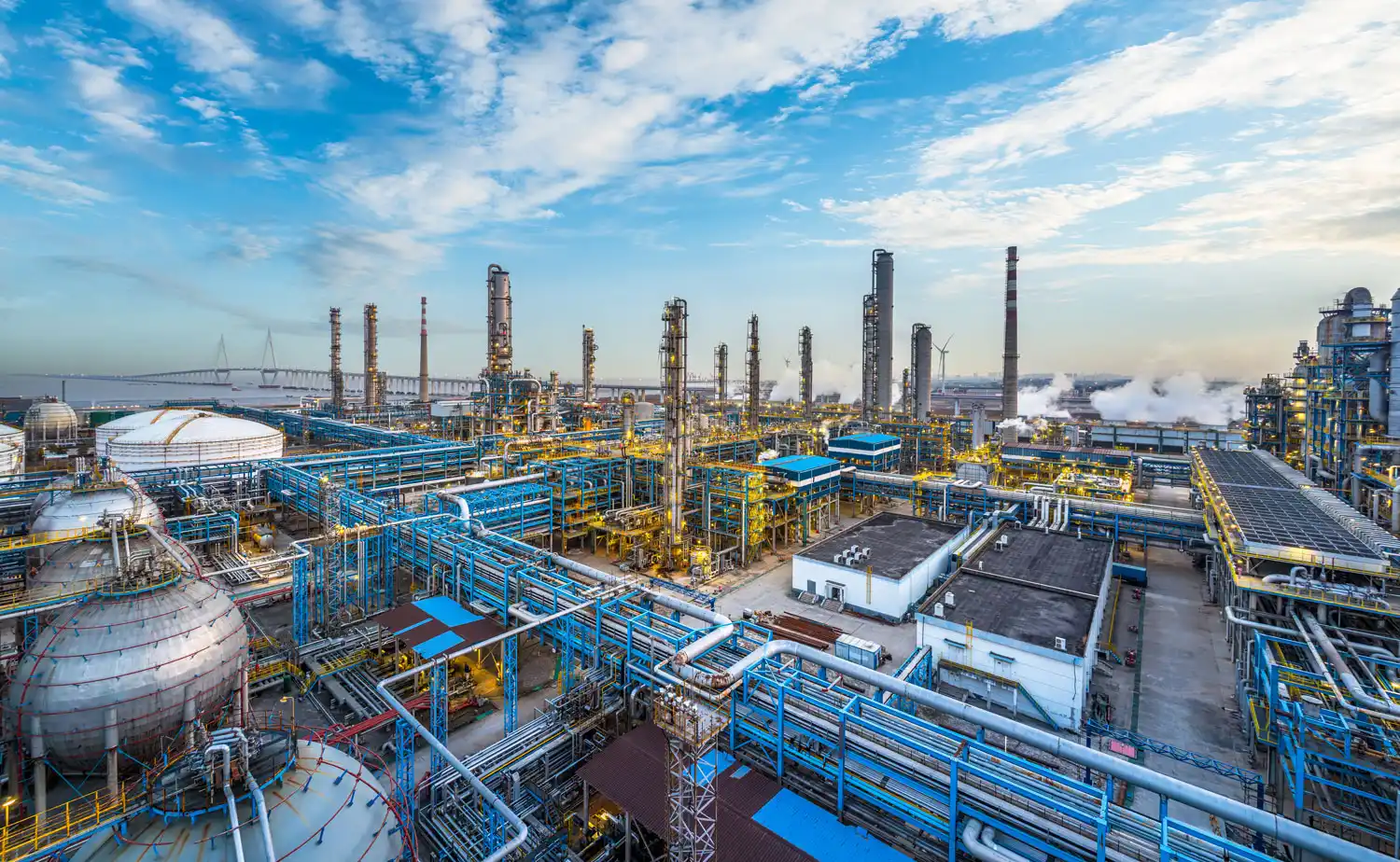
The smart choice for modern industrial facilities, aluminium cables provide lightweight, weatherproof, and high-capacity power distribution at a lower cost. Built to handle the rigorous demands of plants, refineries, and large-scale manufacturing, they deliver consistent, reliable performance for critical high-load equipment—including busbars, cranes, and heavy machinery—while strictly adhering to all relevant IEC standards.
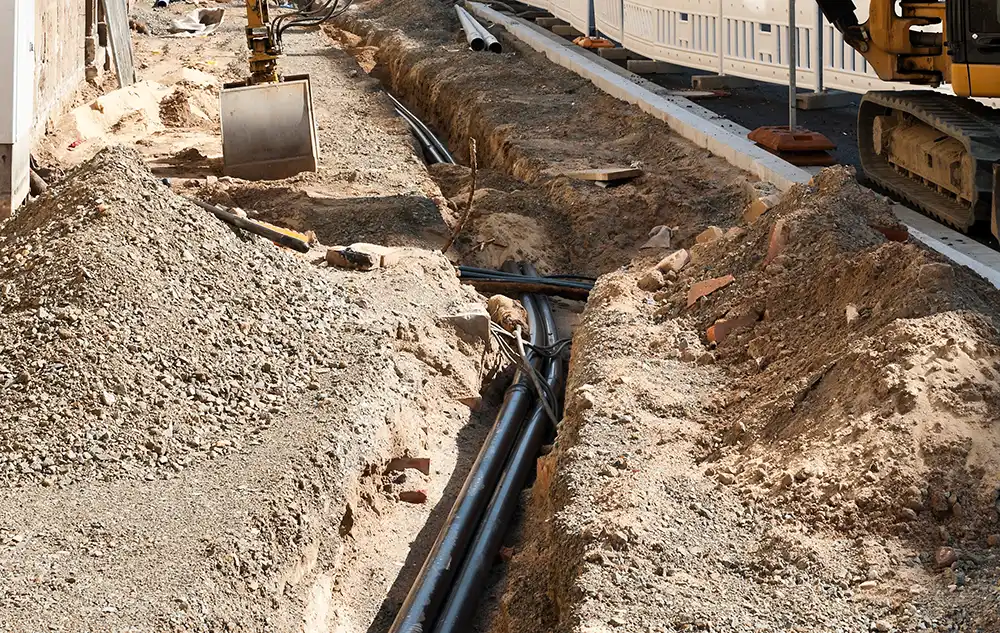
Optimized for buried solar farm installations, these aluminium cables provide lightweight and corrosion-resistant power transmission, featuring XLPE insulation for robust moisture protection. Ideal for underground collection networks within photovoltaic systems, they deliver superior current capacity at a cost-effective price point. Engineered with UV-resistant and rodent-proof materials, they comply with all relevant IEC and PV standards, ensuring reliable performance and a service life exceeding 25 years in direct-burial applications.
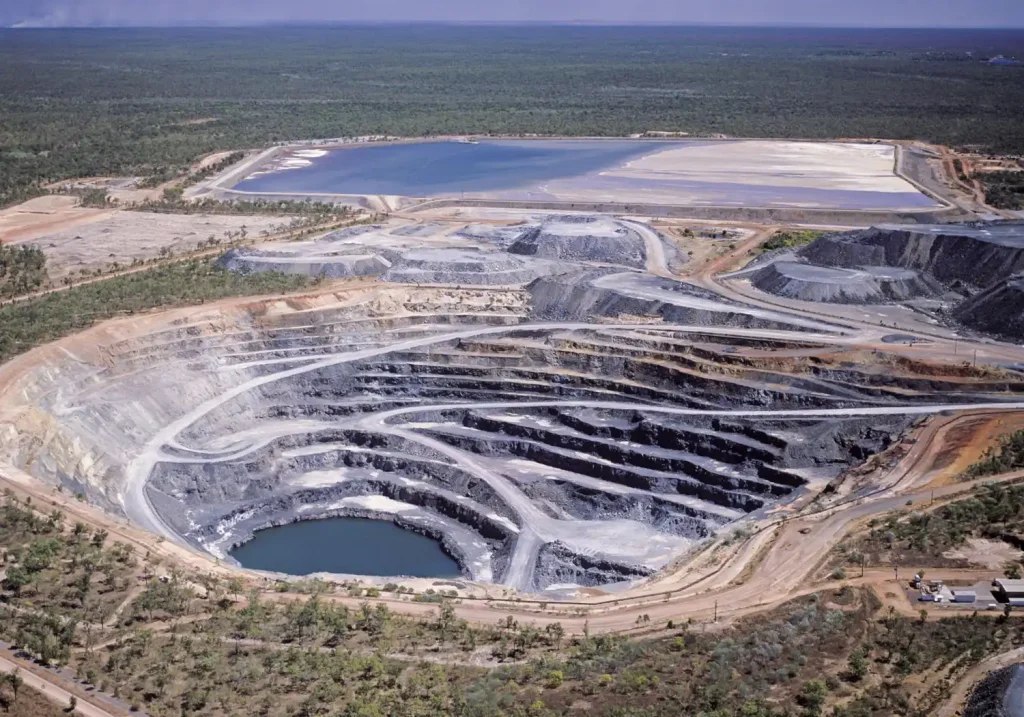
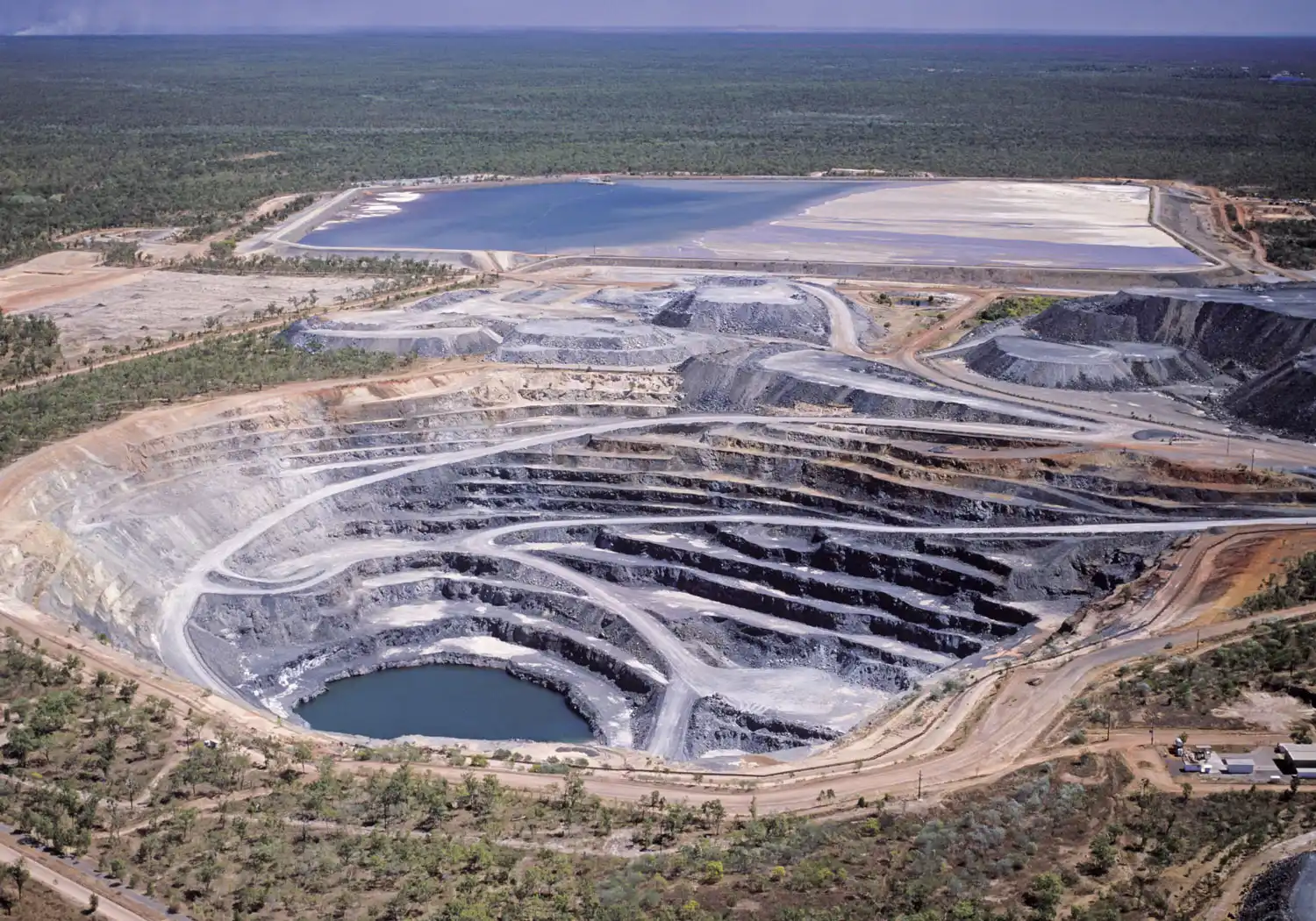
Designed for the demanding environments of oil, gas, and mining installations, these aluminium cables deliver lightweight, high-ampacity power distribution with exceptional resistance to corrosion and abrasion. They are engineered to withstand exposure to hydrocarbons, mechanical wear, and harsh subterranean conditions, making them the ideal choice for refineries, mine shafts, and haulage systems operating in hazardous zones.
Engineered for power transmission and distribution, aluminium cables deliver a unique combination of lightweight durability, high current-carrying capacity, and exceptional weather resistance. They are the preferred choice for critical infrastructure such as overhead lines, substations, and renewable energy grid connections, as well as for urban networks and rail electrification projects—including metro and railway systems—ensuring efficient and reliable power delivery.
The smart choice for modern industrial facilities, aluminium cables provide lightweight, weatherproof, and high-capacity power distribution at a lower cost. Built to handle the rigorous demands of plants, refineries, and large-scale manufacturing, they deliver consistent, reliable performance for critical high-load equipment—including busbars, cranes, and heavy machinery—while strictly adhering to all relevant IEC standards.
Optimized for buried solar farm installations, these aluminium cables provide lightweight and corrosion-resistant power transmission, featuring XLPE insulation for robust moisture protection. Ideal for underground collection networks within photovoltaic systems, they deliver superior current capacity at a cost-effective price point. Engineered with UV-resistant and rodent-proof materials, they comply with all relevant IEC and PV standards, ensuring reliable performance and a service life exceeding 25 years in direct-burial applications.
Designed for the demanding environments of oil, gas, and mining installations, these aluminium cables deliver lightweight, high-ampacity power distribution with exceptional resistance to corrosion and abrasion. They are engineered to withstand exposure to hydrocarbons, mechanical wear, and harsh subterranean conditions, making them the ideal choice for refineries, mine shafts, and haulage systems operating in hazardous zones.
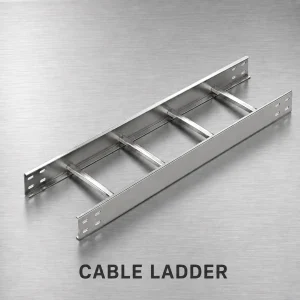
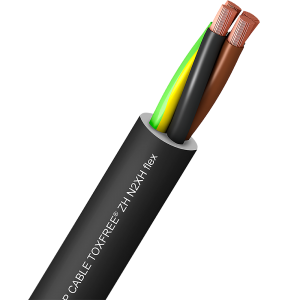

Resists crushing & impact damage

Reinforced Mechanical Protection

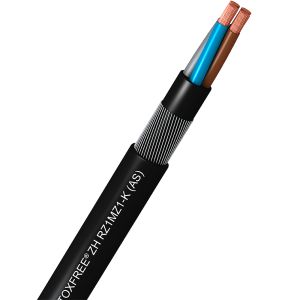
Built for Versatility and Durability in Fixed Armoured Applications

Quality You Can Trust – From an Industry Leader

Dedicated Technical Support Whenever You Need It

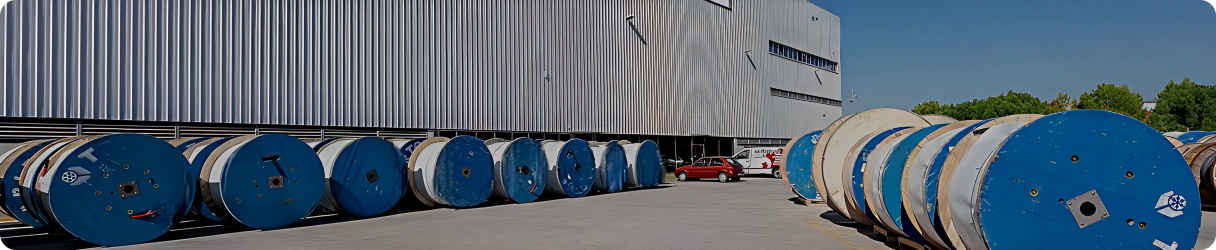
Excellence in Service, Mastery in Logistics.
In the international market, naming conventions follow structural codes (like the European VDE/IEC system) or application-based designations (like the North American ASTM system). The Chinese system uses the GB (Guobiao) standard, typically identified by the letter "L" for Aluminum (铝).
Chinese System (GB/T): Common models include YJLV (XLPE insulation, PVC sheath), VLV (PVC insulation/sheath), and BLV (PVC insulated wire). The "L" signifies the aluminium conductor.
International/European System (IEC): Uses codes like NAYY (PVC/PVC), NA2XY (XLPE/PVC), or NA2X2Y (XLPE/PE). The "NA" prefix denotes an aluminium conductor according to VDE standards.
North American System (ASTM): Identified by alloy series and insulation types like XHHW-2, THHN/THWN-2, or specific trade names for AA-8000 series alloys.
Despite the different naming codes, the underlying technical benchmarks are often harmonized. High-quality aluminium cables are manufactured to comply with IEC 60502 or IEC 60228, which are the global foundations for conductor performance. As long as the rated voltage (e.g., 0.6/1kV), cross-sectional area (mm² or AWG/kcmil), and temperature rating (typically 90°C for XLPE) align with the project specifications, the cable is functionally equivalent regardless of whether it is labeled YJLV or NA2XY.
Modern electrical installations in the international market have shifted from utility-grade 1350 aluminium to AA-8000 series alloys.
Enhanced Ductility: AA-8000 alloys are significantly more flexible, reducing the risk of "spring-back" during installation.
Creep Resistance: These alloys exhibit superior resistance to "cold flow," meaning the connection remains tighter over time compared to older aluminium grades, reducing the risk of overheating at termination points.
Aluminium has approximately 61% of the conductivity of copper. To carry the same electrical load, an aluminium conductor must have a cross-sectional area roughly 1.6 times larger than a copper conductor. However, because aluminium is 70% lighter, the resulting cable is still significantly easier to handle and requires less structural support, making it the preferred choice for long-distance power distribution.
When connecting aluminium cables to copper busbars, galvanic corrosion is a major risk. Professional-grade bi-metallic lugs utilize a friction-welded joint to bond an aluminium barrel to a copper palm. This factory-sealed bond prevents moisture and oxygen from reaching the interface of the two metals, eliminating the chemical reaction that leads to high resistance and fire hazards.
The choice depends on the thermal and environmental requirements of the installation:
NA2XY (XLPE): Supports a higher continuous operating temperature (90°C) and offers better resistance to chemicals and moisture. It is the international standard for industrial power grids.
NAYY (PVC): Limited to 70°C operating temperatures but is more cost-effective for indoor applications with low mechanical stress.
ABC consists of several insulated aluminium phase conductors twisted around a neutral messenger. Unlike traditional bare overhead wires, ABC is highly resistant to short circuits caused by external contact (tree branches, birds). It is widely used in the international market for rural electrification and urban distribution where underground cabling is too costly.
IPCs allow for secure T-connections or terminations without stripping the cable's insulation. The connector's teeth pierce the insulation to make direct contact with the aluminium core. This maintains the watertight integrity of the cable and significantly reduces labor time in the field, which is a major factor in international infrastructure projects.
When exposed to air, aluminium instantly forms a thin, tough oxide layer that prevents further corrosion. While this provides excellent environmental durability, the oxide is an electrical insulator. Professional installers must use jointing compounds (penetrox) or specific abrasive techniques during termination to ensure the oxide layer does not interfere with electrical conductivity.
Yes, provided they are specified with LSZH (Low Smoke Zero Halogen) jackets. In the international market, safety regulations often mandate LSZH for cables installed in tunnels or high-occupancy buildings. These cables ensure that in the event of a fire, toxic gas emission is minimized, and visibility remains high for evacuation.
In large-scale data centers or industrial plants, using aluminium instead of copper can reduce the total weight of the cable management system by up to 50%. This allows for lighter cable trays and supports, leading to substantial savings in both material costs and structural engineering requirements.
When installed according to international standards (correct sizing and proper termination), aluminium cables have a service life exceeding 30 to 40 years. Their resistance to corrosion in saline or industrial environments often makes them more durable than copper in specific coastal power distribution roles.
Aluminium is increasingly the "standard" for utility-scale solar farms. Because these projects cover vast areas, the cost savings of using aluminium for the long DC strings and AC collection lines can be the difference between a project being bankable or not. Special UV-resistant jackets are applied to ensure longevity in high-exposure environments.