

Why Cable Tray Systems Are Essential for Modern Infrastructure
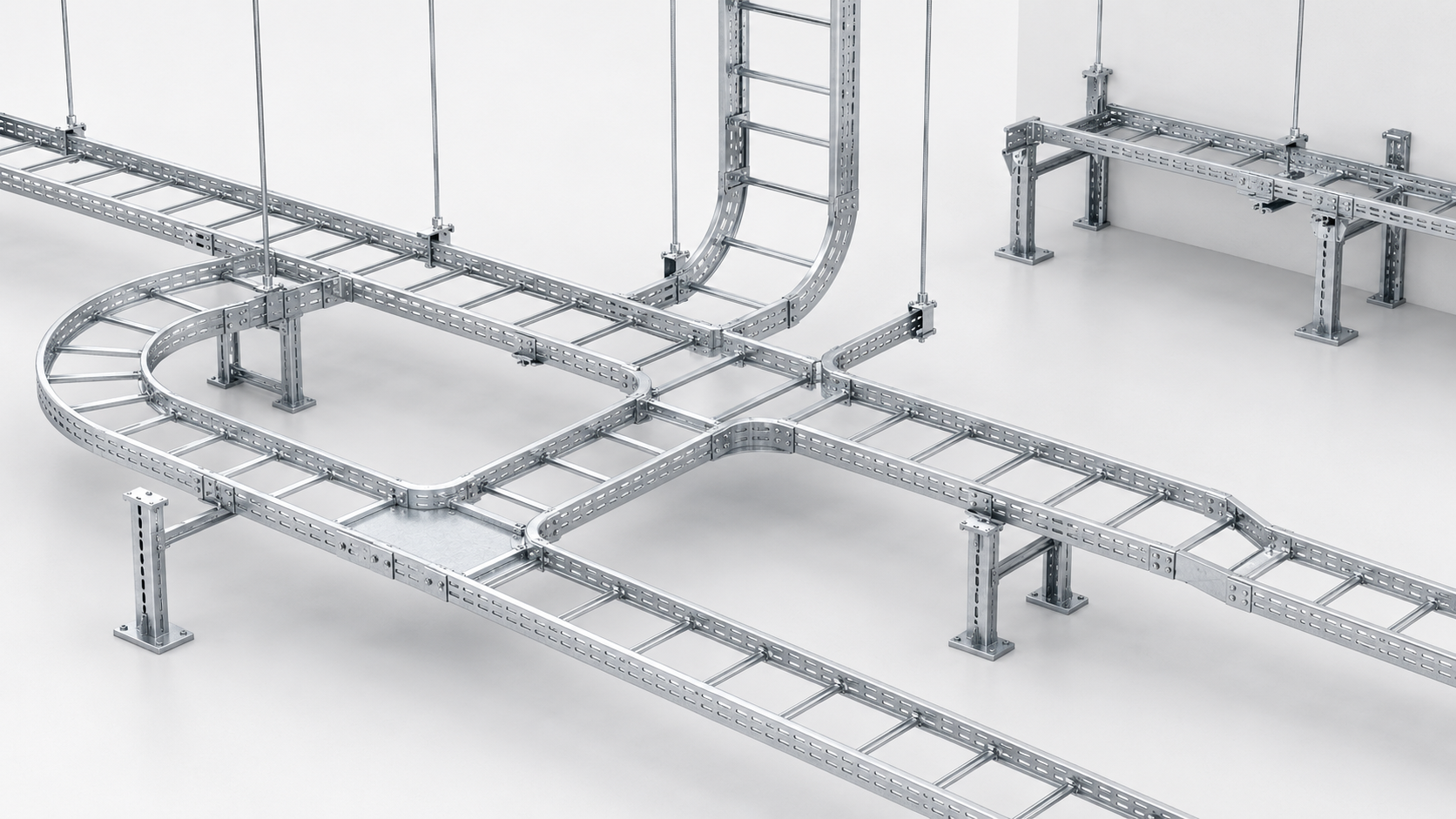
<a href="https://chinneelectric.com/knowledge/faq/what-role-do-<a href="https://chinneelectric.com/knowledge/faq/how-do-<a href="https://chinneelectric.com/knowledge/faq/what-maintenance-and-accessibility-benefits-do-<a href="https://chinneelectric.com/knowledge/faq/what-role-do-<a href="https://chinneelectric.com/knowledge/faq/how-do-<a href="https://chinneelectric.com/knowledge/faq/what-maintenance-and-accessibility-benefits-do-<a href="https://chinneelectric.com/knowledge/faq/what-role-do-<a href="https://chinneelectric.com/knowledge/faq/how-do-cable-tray-systems-support-scalability-and-future-proofing-in-data-centers-and-industrial-facilities/”>cable-tray-systems-play-in-thermal-management-and-maintaining-cable-ampacity/”>cable-tray-systems-provide-compared-to-concealed-or-buried-cable-routes/”>cable-tray-systems-support-scalability-and-future-proofing-in-data-centers-and-industrial-facilities/”>cable-tray-systems-play-in-thermal-management-and-maintaining-cable-ampacity/”>cable-tray-systems-provide-compared-to-concealed-or-buried-cable-routes/”>cable-tray-systems-support-scalability-and-future-proofing-in-data-centers-and-industrial-facilities/”>cable-tray-systems-play-in-thermal-management-and-maintaining-cable-ampacity/”>Cable tray systems are structured, open-pathway assemblies that support and manage power, control, and communication cables in modern infrastructure. They replace multiple conduit runs with a scalable, accessible solution that enhances natural air circulation for thermal management per IEC 60287. Engineered to IEC 61537 for mechanical strength and corrosion resistance, Chinne Electric cable trays improve fire safety through circuit segregation and LSZH materials, ensuring reliable performance in data centers, industrial plants, and commercial buildings.
Explore related solutions on our site: Knowledge hub, What are the primary advantages of using cable tray systems over trad…, How do cable tray systems improve fire safety in electrical installat….
Introduction
Modern infrastructure—from data centers and industrial plants to commercial high-rises and transportation hubs—depends on robust cable management to sustain power and signal integrity. Cable tray systems have become a backbone of electrical installation, replacing ad‑hoc conduit runs with a structured, scalable, and safer approach. They support the increasing density of power, control, and communication cables while addressing fire safety, thermal performance, and maintenance access. This article examines the key technical and operational reasons why cable tray systems are indispensable in today’s infrastructure projects and how a reliable supplier like Chinne Electric contributes to this critical segment.
1. Enhancing Electrical Safety and Fire Protection
One of the foremost design requirements for any cable management system is the mitigation of fire risk. Cable trays, when combined with appropriate cable jackets, significantly improve the reaction to fire. Unlike enclosed conduits, open‑ or ventilated‑tray layouts allow early smoke detection and reduce the accumulation of combustible dust—a factor that can lower the overall fire load of a building. Per IEC 60332‑1 and IEC 60332‑3, the fire propagation characteristics of cables installed on trays are rigorously tested to ensure self‑extinguishing behavior and limited flame spread. The use of metallic trays made of hot‑dip galvanized steel or stainless steel provides inherent non‑combustibility, maintaining circuit integrity for critical life‑safety systems for a defined period under fire conditions, as outlined in standards such as BS 8491 and IEC 60331.
Furthermore, cable trays facilitate segregation. Power cables can be physically separated from sensitive instrumentation and control wiring, minimizing electromagnetic interference and reducing the risk of insulation breakdown causing cascading faults. This separation is not just an operational benefit; it is a compliance requirement in many jurisdictions, directly supporting the functional safety of emergency lighting, fire pumps, and smoke extraction systems.
2. Optimizing Cable Ampacity and Thermal Management
Cable current‑carrying capacity (ampacity) is highly sensitive to heat dissipation. In fully enclosed conduits or tightly bundled groups, the temperature rise due to I²R losses can force engineers to derate cables—increasing conductor cross‑sections and cost. Ventilated and ladder‑type cable trays offer superior natural convection, allowing air to circulate freely around each cable. According to ampacity calculations based on IEC 60287, a properly spaced installation on a perforated tray can improve heat transfer by as much as 20–30 % compared to a conduit with the same conductor size, permitting the use of smaller, more economical cables while maintaining thermal limits.
This thermal advantage becomes critical in high‑density installations such as data centers, where hundreds of power and fiber cables run side by side. Open‑tray systems also simplify thermal imaging inspections, enabling maintenance teams to detect hot spots early and preventing unplanned outages. In corrosive environments, a well‑selected tray material—such as FRP (fiber‑reinforced plastic) or 316L stainless steel—maintains life‑cycle performance without compromising ventilation.
3. Mechanical Load Capacity and Structural Integrity
Cable trays are engineered to carry significant static and dynamic loads, including the weight of cables during installation and the potential for ice, wind, or seismic forces in outdoor and industrial applications. The design is governed by standards like NEMA VE 1 and IEC 61537, which define safety factors, deflection limits, and span‑load ratings. Typically, a steel ladder tray with a 150 mm side rail height supported at 3‑meter intervals can safely support a distributed load of more than 100 kg per meter—far exceeding the capability of multiple parallel conduits, which would require heavy structural supports and complex bending calculations.
This load capacity directly reduces the number of support points, speeding up installation and lowering overall structural steel requirements. For example, in a manufacturing facility or a power plant, a single cable tray route can replace dozens of individual conduit runs, dramatically cutting installed weight and the associated cost of hangers, brackets, and anchor systems.
4. Scalability, Maintenance Access, and Future‑Proofing
Unlike pre‑assembled conduit banks, cable tray systems offer unparalleled flexibility to add, remove, or rearrange cables as equipment and loads evolve. This modularity is essential for industries undergoing rapid technological change—automotive assembly lines, renewable energy interconnections, and smart buildings. Accessories such as splice plates, dividers, and drop‑outs enable configuration changes on‑site without the need for specialized bending or threading tools. As a result, the total cost of ownership over a 20–30 year building lifecycle is substantially reduced because modifications do not require shutting down adjacent circuits or reconstructing primary raceways.
Additionally, horizontal and vertical tray bends provide safe cable routing radii that prevent excessive bending stresses on insulation, preserving the service life of XLPE, EPR, or LSZH‑jacketed cables. Maintenance personnel benefit from clear visual identification of cable routes and can perform routine inspections without the disassembly required by solid conduit systems.
5. Compliance with International Standards and Best Practices
Global infrastructure projects demand adherence to a matrix of international standards. Cable tray systems are specified and tested under a comprehensive framework that includes:
- IEC 61537 – Cable tray systems and cable ladder systems for cable management.
- UL 568 – Nonmetallic Cable Tray Systems (where applicable).
- NEMA VE 1 – Metal Cable Tray Systems.
- BS 61537 / EN 61537 – European adoption of IEC 61537.
These standards define dimensional tolerances, corrosion resistance (e.g., salt spray testing per ISO 9227 for coastal environments), electrical continuity and bonding requirements, and mechanical strength under simulated heavy‑duty conditions. Compliance ensures that the tray system will integrate seamlessly with power, control, and data cables conforming to IEC 60502, BS 6724, or equivalent regional standards, creating a fully certified installation. Engineers can specify a tray system with confidence, knowing that its performance characteristics—from fault current withstand to UV resistance—have been verified by independent testing.
Key Takeaways
- Cable tray systems enhance fire safety by allowing early smoke detection, reducing combustible dust accumulation, and supporting essential fire‑rated circuit segregation per IEC 60332 and BS 8491.
- Ventilated tray designs significantly improve cable ampacity through natural convection, minimizing derating and enabling more economical conductor sizing in dense installations.
- Engineered to NEMA VE 1 and IEC 61537, cable trays offer superior mechanical load capacity, reducing structural supports and installation time compared to conduit banks.
- Modular, accessible tray layouts simplify future expansions, routine maintenance, and thermal inspections, lowering the total cost of ownership over the facility’s lifecycle.
- Compliance with a recognized international standard framework assures specifiers of consistent quality, corrosion resistance, and electrical continuity.
Related resources
On this site
- Knowledge hub
- What are the primary advantages of using cable tray systems over trad…
- How do cable tray systems improve fire safety in electrical installat…
- What role do cable tray systems play in thermal management and mainta…
- How do cable tray systems support scalability and future-proofing in …
- What maintenance and accessibility benefits do cable tray systems pro…
Authoritative sources
Conclusion
Cable tray systems are not merely a convenience—they are a strategic engineering choice that affects safety, operational reliability, and lifecycle cost. From improving thermal performance and fire resilience to offering unmatched mechanical strength and scalability, these systems underpin the electrical backbone of modern buildings, infrastructure, and industrial facilities. Designing with cable trays and selecting components tested to international standards ensures that projects meet both current demands and future growth without compromising on safety or compliance.
FAQs
Click a question to reveal the answer.
Cable tray systems provide a structured, open pathway that replaces multiple parallel conduits, reducing installation time and material cost. Their open design enhances natural air circulation, which helps dissipate heat and maintain ampacity under load conditions defined by IEC 60287. Unlike conduit, trays allow easy visual inspection and addition of cables without dismantling fixed raceways, enabling scalable expansion. Mechanical strength and corrosion resistance are governed by standards such as IEC 61537, ensuring long-term reliability in commercial buildings, data centers, and industrial plants.
Cable tray systems contribute to fire safety by supporting the segregation of power, control, and emergency circuits, which reduces the risk of fault propagation. Many designs incorporate metallic barriers or are constructed from low-smoke zero-halogen (LSZH) materials that limit smoke density and toxic gas emission during a fire, in line with IEC 61034 and IEC 62821 test protocols. Additionally, proper installation per IEC 60332 series helps control flame spread along cable bunches. This structured approach aids compliance with building codes that require maintaining circuit integrity for critical systems.
Open cable trays permit continuous airflow around each cable, minimizing mutual heating effects that occur in enclosed conduit. This thermal advantage allows cables to operate closer to their rated current-carrying capacity as calculated by methods in IEC 60287, reducing the risk of insulation breakdown and premature aging. In high-density power distribution environments, such as data centers or heavy industrial switchrooms, the ventilation provided by ladder or perforated trays is essential for maintaining safe operating temperatures without forced cooling, thereby improving energy efficiency and extending service life.
Cable trays offer modular, reconfigurable routing that simplifies adding or upgrading cables as load demands grow. Unlike buried conduit, trays allow new circuits to be laid in alongside existing ones without major reconstruction, significantly reducing downtime. Systems designed to IEC 61537 provide standardized coupling methods that maintain mechanical continuity during expansions. This flexibility aligns with the tiered reliability requirements of modern data centers, where evolving power and fiber cabling must be deployed rapidly without compromising the original structural integrity or fire-stopping measures.
Cable tray installations grant immediate visual and physical access along the entire length of the run, enabling faster fault detection, thermal inspection, and routine cleaning. Technicians can identify overheated connections or mechanical wear without removing covers or excavating, which reduces mean time to repair. Chinne Electric’s tray systems are engineered to meet IEC 61537 load and safety requirements while offering hinged covers or snap-on accessories for selective securement, preserving accessibility. This design cuts operational interruptions and extends the service life of the installed assets through proactive maintenance.