
Reliable cable and support systems built for demanding global projects.
Certified quality and dependable delivery backed by practical engineering support.
Manufacturing Scale
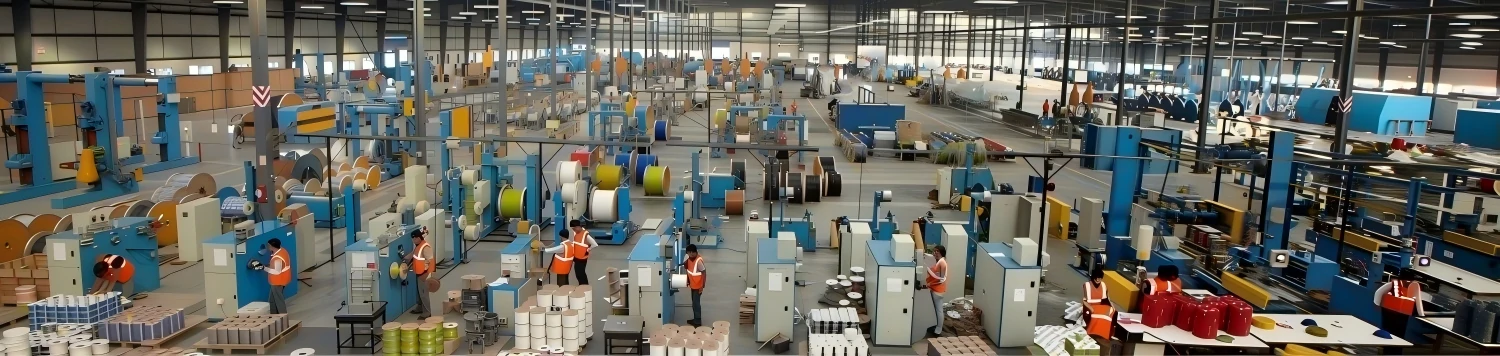
Our production system combines scale, engineering depth, and process discipline to support both recurring demand and project-based delivery requirements.
3 production bases
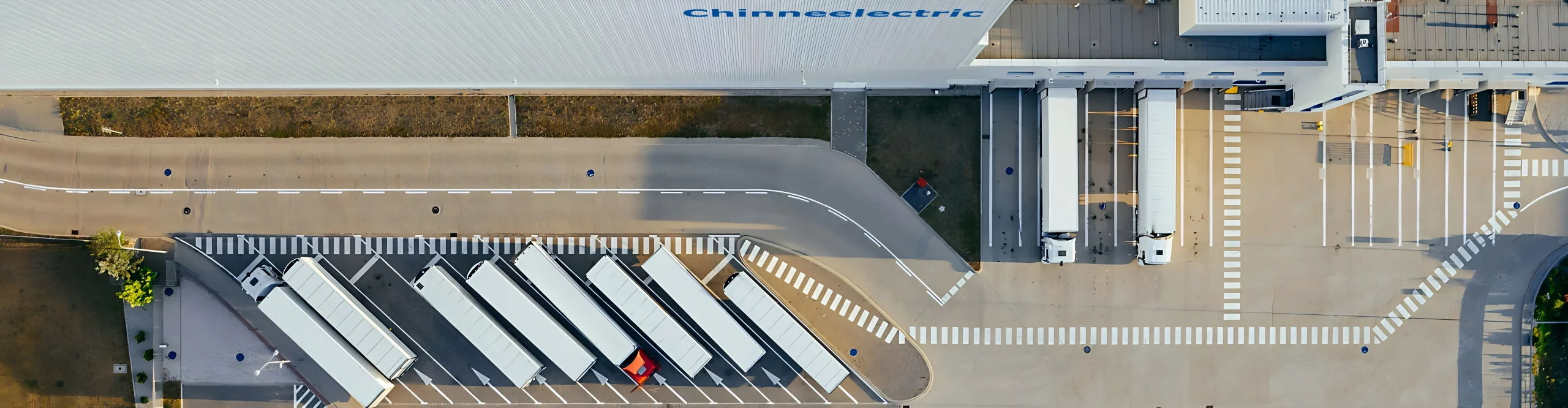
Integrated manufacturing footprint in China.
4,200+ employees
Including 387 technical professionals.
420+ / 250+
Production equipment sets and test devices.
800+ / 21,000+
Cable types and specifications.
Technology and standards contribution
We hold 134 related patents (including 13 invention patents) and have participated in 21 standards across national, industry, and military categories.
Project delivery orientation
With more than 30 years of operational experience, our manufacturing planning is structured to keep quality and schedule stable from order confirmation to shipment.
Production Process
To provide a clear overview, we present three representative production lines here, while our full manufacturing system covers a broader range of processes.
Unlike copper power cables where loss due to electric resistance of the cable itself is inevitable, the superconductive state where electric resistance becomes zero at the extreme low temperature of -196℃ has been incorporated into this product.
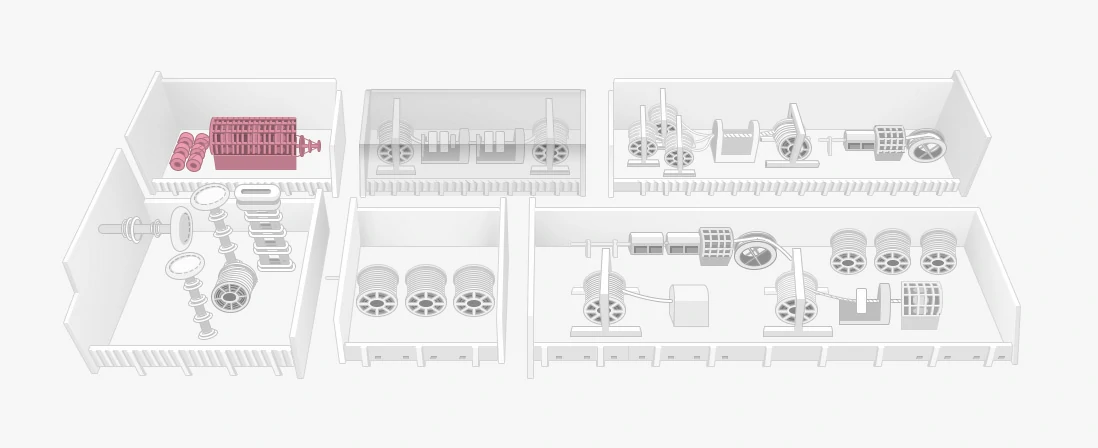
Production process
Former
The drawn wires of 2~3mm diameter are twisted into a diameter of 15~40mm.
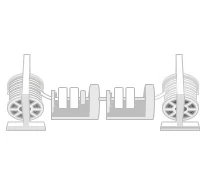
Winding
Insulator and superconductive shield layer are wound on the conductor.
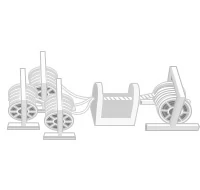
Ally
The conductors from prior process are integrated into a single conductor.
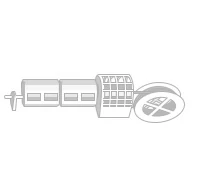
1st metal sheath
The liquid nitrogen mold is transformed into metal through extraction and welding.
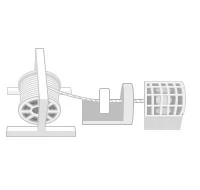
Insulation
MLI tape and thermal spacer are produced to block convection heat.
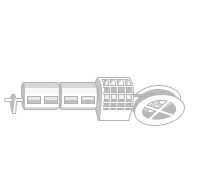
2nd metal sheath
Vacuum mold is transformed into metal to reduce convection heat loss.
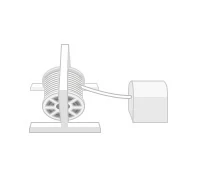
Corrosion
The metal sheath is enclosed again in PVC or PE.
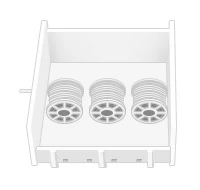
Vacuum drying
Material is put into drying room where vacuum exhaustion starts.
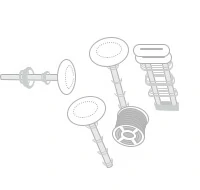
Inspection
Strict inspection is required before shipment.
Extra-high voltage cables are used for transmitting power from generators and must withstand high voltage with minimal losses.
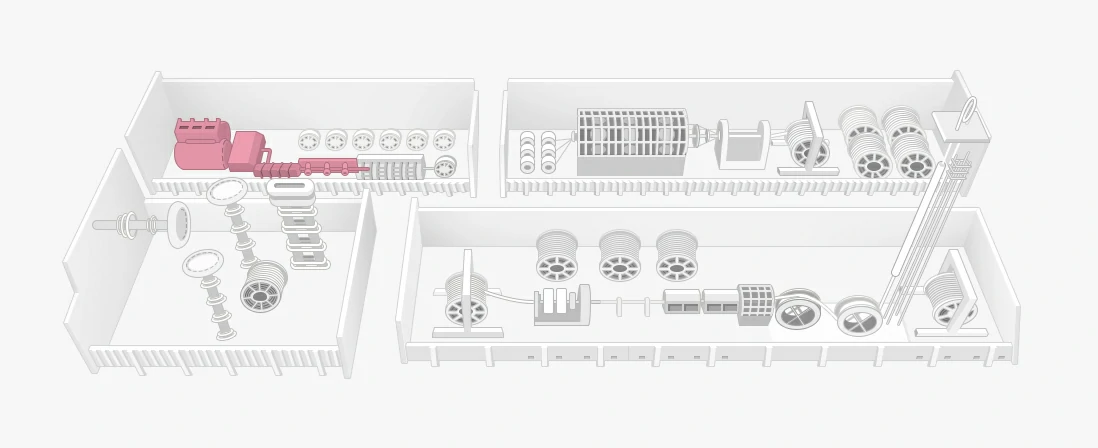
Production process
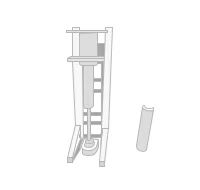
SCR
Copper raw materials are smelted and extracted in cylindrical rods.
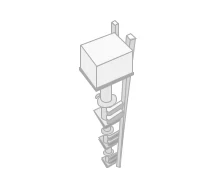
Drawing
The finger-sized wires are formed into smaller diameters.
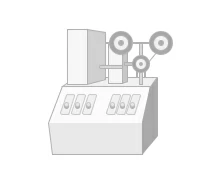
Stranding
The wires are stranded into required overall conductor structure.
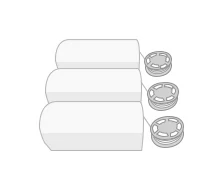
Segment stranding
Individually stranded conductors are stranded together.
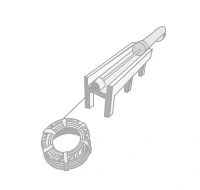
Insulation
Insulation is extruded and cross-linked under strict process control.
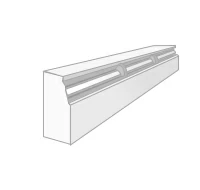
Metal sheath
Conductor is covered with aluminum or lead sheath.
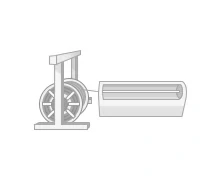
Outer sheath
Outer sheath is extruded for final protection.
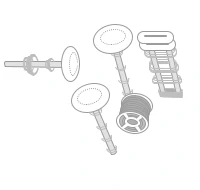
Inspection
Strict inspection is completed before shipment.
Fiber-optic communication converts electric signals to light and transmits through optical fibers with strong interference resistance.
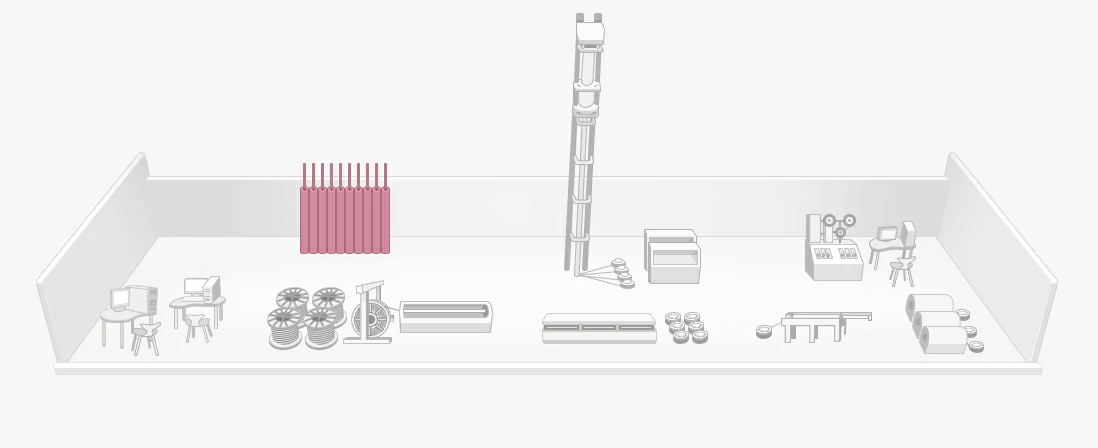
Production process
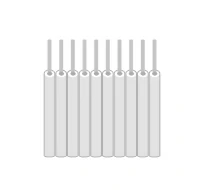
Preforms
Glass rod composed of a core and cladding is prepared.
Drawing
Preforms are softened and drawn into thin glass fiber.
Proof Test
Mechanical tensile strength testing ensures reliability.
Coloring
Optical fibers are coated with colors for identification.
Tubing
Tubing protects fibers during cabling and installation.
SZ Stranding
Tubes are arranged around central strength member.
Sheathing
Sheathing protects cable core from external force.
Inspection
Products are strictly tested to meet requirements.