


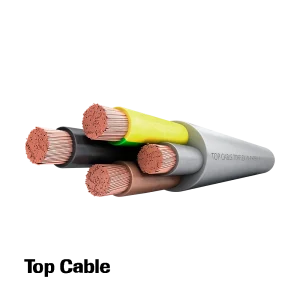
Aluminum Cables
Your Trusted Partner for All Aluminium Cable Needs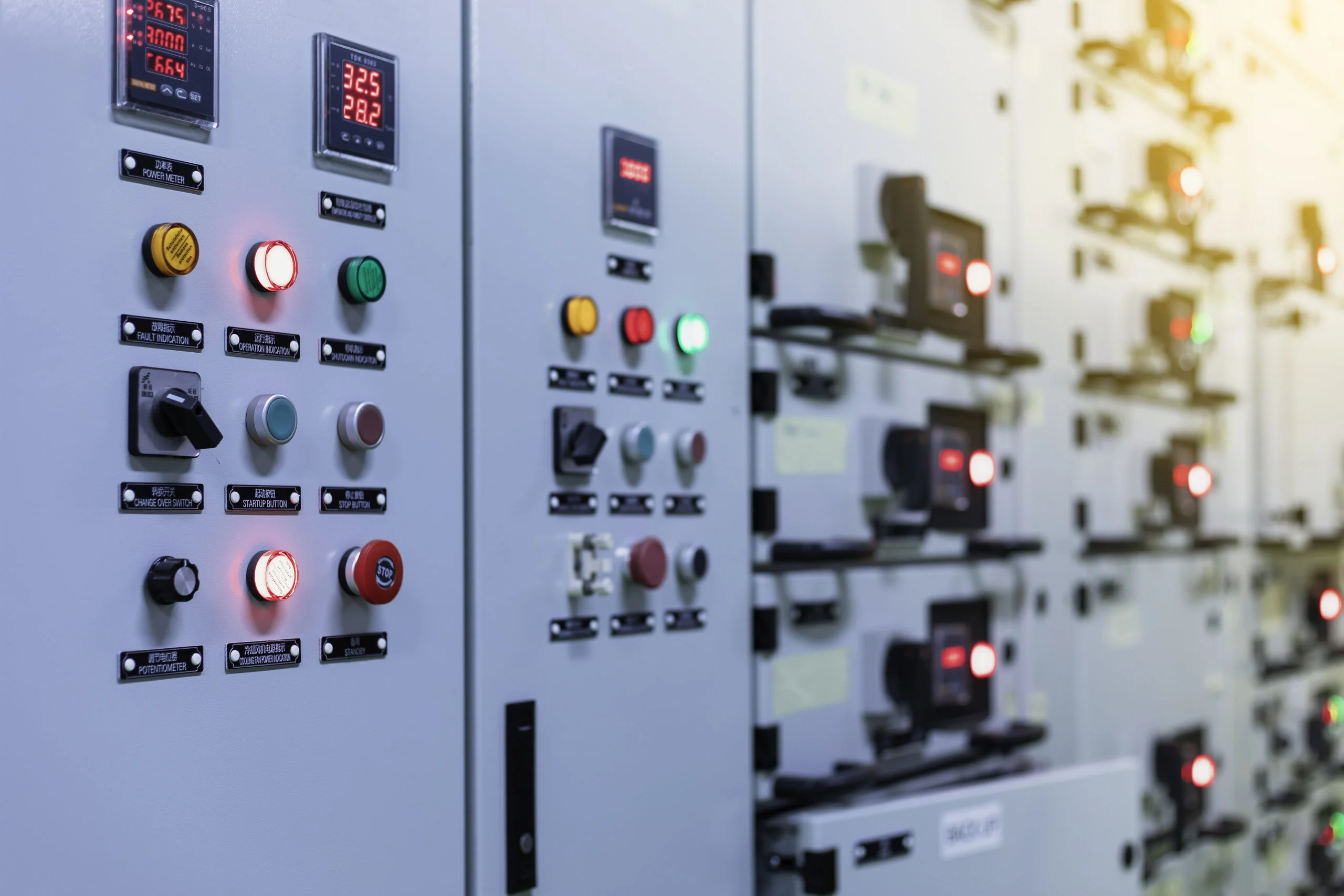
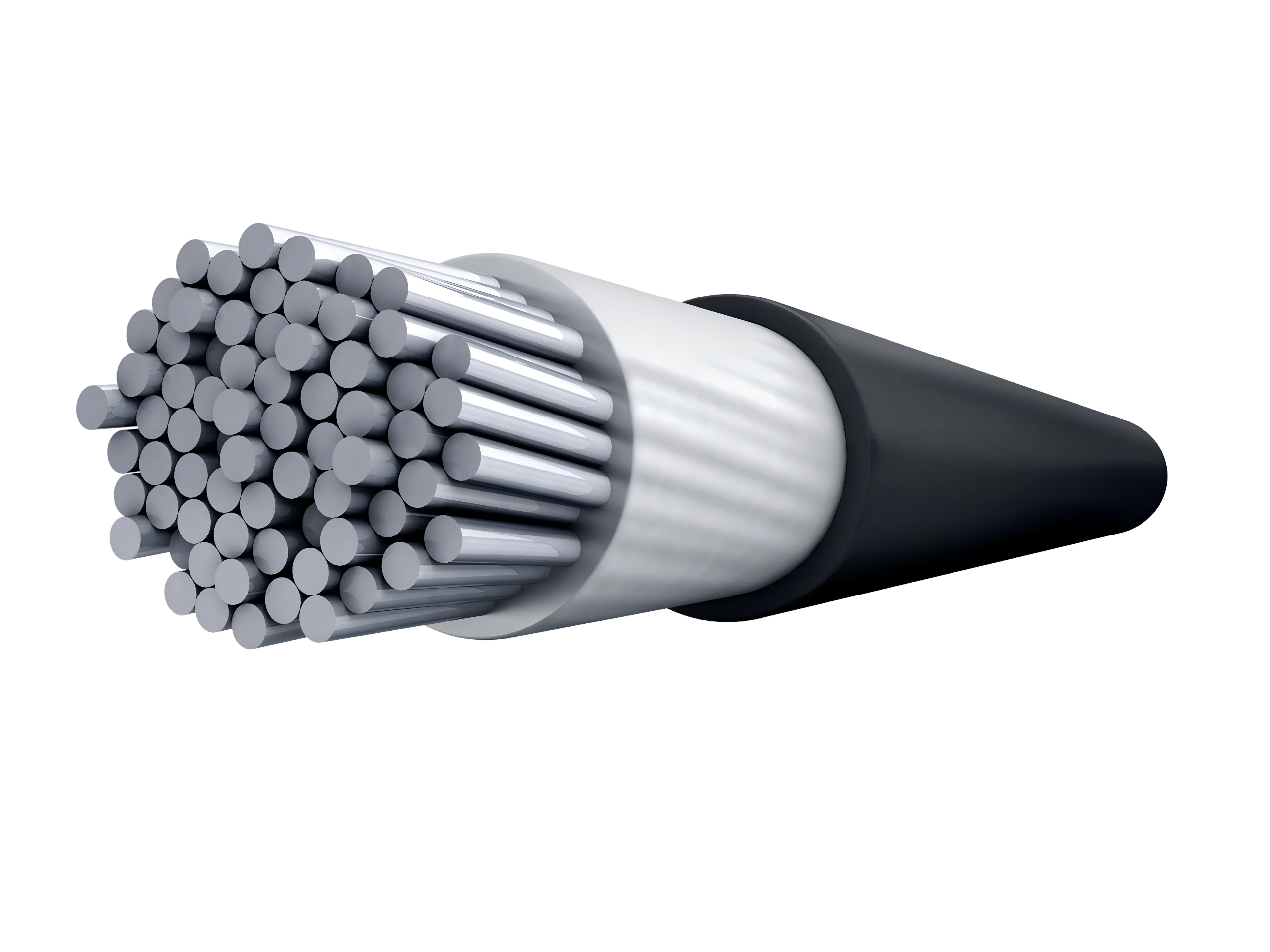
Benefits of aluminium cables
Aluminium cables are the smart choice for modern electrical projects, offering a cost-effective, lightweight, and corrosion-resistant alternative to copper.
Typical applications of ALUMINIUM CABLES
Select...
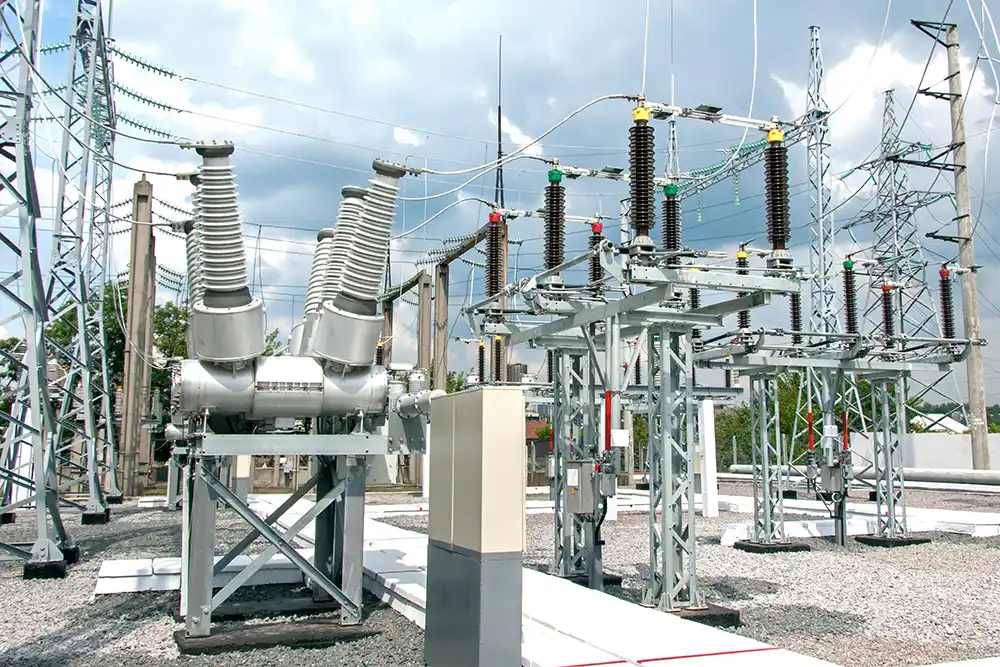
Aluminium cables for power distribution
Engineered for power transmission and distribution, aluminium cables deliver a unique combination of lightweight durability, high current-carrying capacity, and exceptional weather resistance. They are the preferred choice for critical infrastructure such as overhead lines, substations, and renewable energy grid connections, as well as for urban networks and rail electrification projects—including metro and railway systems—ensuring efficient and reliable power delivery.
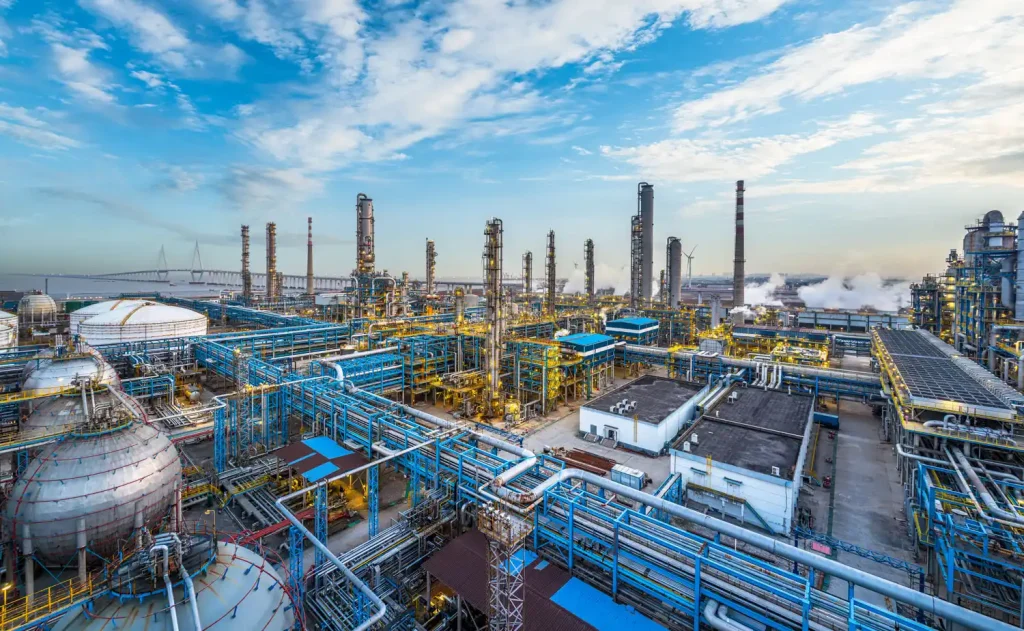
Aluminium cables for industrial facilities
The smart choice for modern industrial facilities, aluminium cables provide lightweight, weatherproof, and high-capacity power distribution at a lower cost. Built to handle the rigorous demands of plants, refineries, and large-scale manufacturing, they deliver consistent, reliable performance for critical high-load equipment—including busbars, cranes, and heavy machinery—while strictly adhering to all relevant IEC standards.
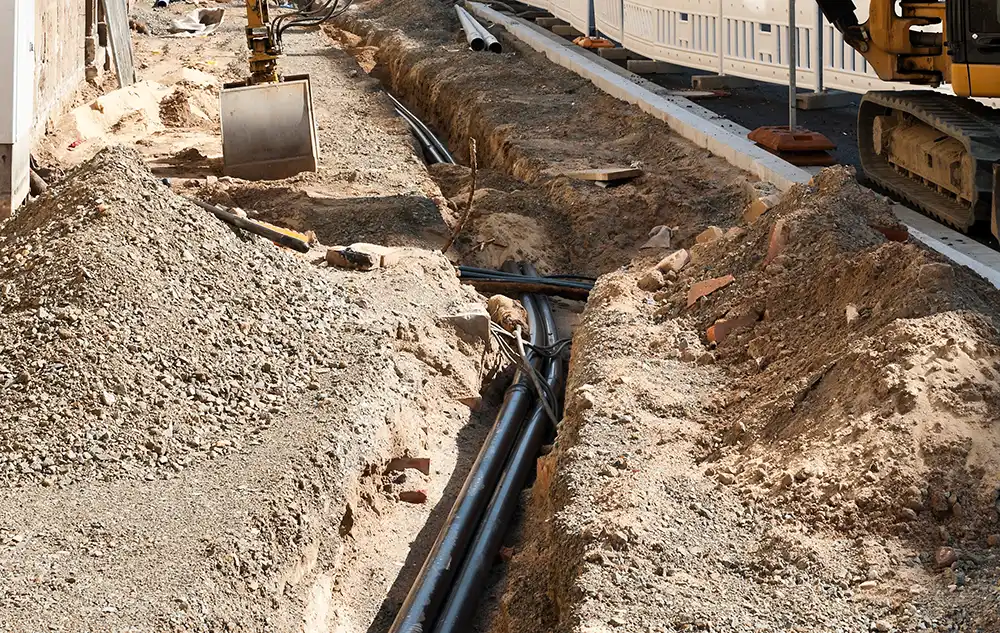
Aluminium cables for buried PV installations
Optimized for buried solar farm installations, these aluminium cables provide lightweight and corrosion-resistant power transmission, featuring XLPE insulation for robust moisture protection. Ideal for underground collection networks within photovoltaic systems, they deliver superior current capacity at a cost-effective price point. Engineered with UV-resistant and rodent-proof materials, they comply with all relevant IEC and PV standards, ensuring reliable performance and a service life exceeding 25 years in direct-burial applications.
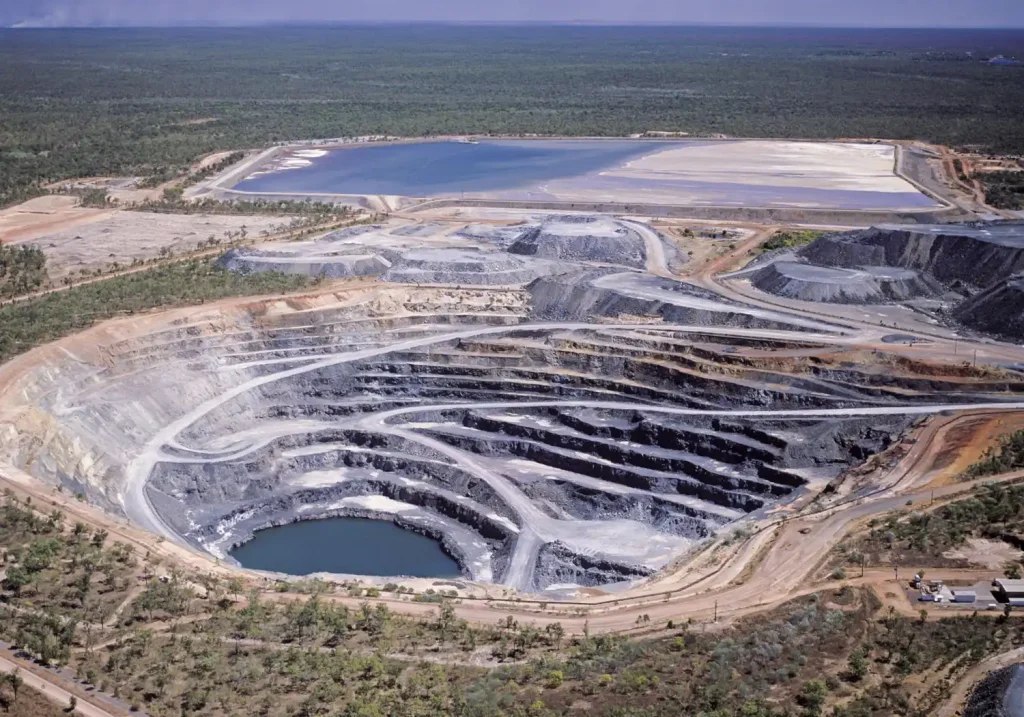
Aluminium cables for oil , gas & mining industry
Designed for the demanding environments of oil, gas, and mining installations, these aluminium cables deliver lightweight, high-ampacity power distribution with exceptional resistance to corrosion and abrasion. They are engineered to withstand exposure to hydrocarbons, mechanical wear, and harsh subterranean conditions, making them the ideal choice for refineries, mine shafts, and haulage systems operating in hazardous zones.
Power distribution
Engineered for power transmission and distribution, aluminium cables deliver a unique combination of lightweight durability, high current-carrying capacity, and exceptional weather resistance. They are the preferred choice for critical infrastructure such as overhead lines, substations, and renewable energy grid connections, as well as for urban networks and rail electrification projects—including metro and railway systems—ensuring efficient and reliable power delivery.
Industrial facilities
The smart choice for modern industrial facilities, aluminium cables provide lightweight, weatherproof, and high-capacity power distribution at a lower cost. Built to handle the rigorous demands of plants, refineries, and large-scale manufacturing, they deliver consistent, reliable performance for critical high-load equipment—including busbars, cranes, and heavy machinery—while strictly adhering to all relevant IEC standards.
Buried PV installations
Optimized for buried solar farm installations, these aluminium cables provide lightweight and corrosion-resistant power transmission, featuring XLPE insulation for robust moisture protection. Ideal for underground collection networks within photovoltaic systems, they deliver superior current capacity at a cost-effective price point. Engineered with UV-resistant and rodent-proof materials, they comply with all relevant IEC and PV standards, ensuring reliable performance and a service life exceeding 25 years in direct-burial applications.
Oil and gas, mining industry
Designed for the demanding environments of oil, gas, and mining installations, these aluminium cables deliver lightweight, high-ampacity power distribution with exceptional resistance to corrosion and abrasion. They are engineered to withstand exposure to hydrocarbons, mechanical wear, and harsh subterranean conditions, making them the ideal choice for refineries, mine shafts, and haulage systems operating in hazardous zones.
A complete solution from Top Cable
-
High quality Cable manufacturer
Cable manufacturer Top Cable is one of Europe's leading cable manufacturers which excels in providing best-in-class service.
-
Large
cable stockLarge cable stock Our large cable stock is always ready to be shipped around the globe. -
Quality and
CertificatesQuality/Certificates In our state-of-the-art laboratories we subject our cables to stringent product testing and quality controls. -
Best-in-class-service
Best-in-class-service A friendly and eficcient sales team and our excellent logistics will satisfy your cable requirements.
Filter cable by:
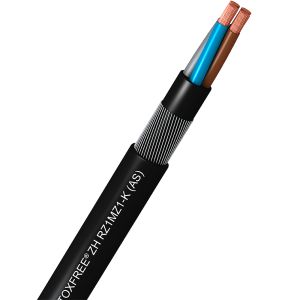
TOXFREE® LSZH RZ1MZ1-K
Enhanced Mechanical Protection / Enhanced Fire Safety | CPR Cca B2ca LSZH / For hazardous areas with explosive gas atmospheres (ATEX)
TOXFREE® LSZH RZ1 AL
Aluminium cable / Enhanced Fire Safety LSZH / CPR / Lighter Weight and Potentially Lower Cost (compared to Copper)
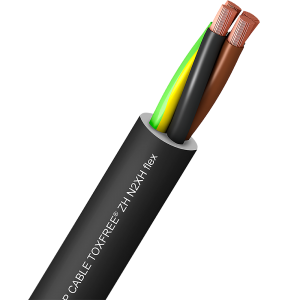
TOXFREE® LSZH N2XH flex
Enhanced Fire Safety | CPR Cca B2ca LSZH / Enhanced flexibility and ease of Installation / Versatile applications for fixed LSZH power installations
Why choose our aluminium cables?
-
Aluminum cable
-

Significantly lighter and more cost-effective than copper.
-
LSZH cable Cca & B2ca version available
-

Trusted Quality: cables from a recognized manufacturer
-

Technical expert support and after-sales service
-

Premium service and global logistics
Aluminium cables FAQS
Best Practices for Medium Voltage Aluminium Cable Installation & Maintenance
Proper handling and installation are essential for the longevity and safety of aluminium cables. Follow these key guidelines:
Cable Selection: Choose the correct cable by evaluating voltage rating, insulation type, fire safety standards, environmental conditions, and the appropriate conductor cross-section.
Cable Handling: Aluminium is susceptible to damage. Avoid sharp bends, twisting, or pulling. Use proper lifting equipment for heavy reels and never drop cables.
Professional Installation: Installation must be performed by qualified personnel in full compliance with all relevant international and local electrical codes to ensure system reliability and safety.
Waterblocking: Prevent corrosion by keeping cables dry during storage and installation. Always seal cable ends to stop moisture ingress, which can lead to premature failure.
Routine Maintenance: Conduct regular visual inspections and use specialized test equipment to detect damage, wear, or deterioration early, ensuring long-term system reliability.
Adhering to these practices will help ensure a secure installation and dependable long-term service.
Aluminium vs. Copper: A Quick Comparison
Aluminium: Offers advantages in weight and cost, being both lighter and less expensive than copper. It also provides superior corrosion resistance.
Copper: Delivers higher conductivity and is less susceptible to electrical interference.
Special Applications:
For specific needs like solar installations, copper conductors are often required.
Copper and aluminium are the two most common metals used in electrical wiring, each with its own strengths.
Aluminium Cables offer a cost-effective and sustainable alternative for many applications. They are significantly lighter and provide excellent corrosion resistance. The trade-off: Aluminium has only about 60% of the conductivity of copper.
Neither is universally “better.” The right choice depends entirely on your industry’s specific demands and the applicable certification standards.
Lightweight: Easier to transport and install, ideal for overhead lines.
Cost-Effective: More economical than copper for large-scale projects.
Corrosion Resistant: Naturally forms a protective oxide layer, ensuring long-term durability in various environments.
Yes, we manufacture a wide range of aluminium cables specifically engineered for renewable energy applications—from large-scale solar farms to rooftop PV installations. For example:
The PV AWA/SWA DC Feeder Aluminium Cable is suitable for both underground and above-ground solar installations.
The PV LSZH AL 1500V Heavy Duty Cable is designed for direct burial in most soil types.
Yes, aluminium cables can be manufactured with LSZH (Low Smoke Zero Halogen) insulation and sheathing, making them suitable for use in public places.
Aluminium LSZH cables are ideal for:
Power distribution in public buildings and infrastructure.
Renewable energy installations in populated areas.
Industrial facilities with stringent safety requirements.
Need LSZH Aluminium Cables?
We offer a range of aluminium cables with LSZH sheathing, designed to meet the safety demands of public and high-risk environments. Contact us for specifications or to request a quote.
Enhanced Safety: In a fire, LSZH materials emit minimal smoke and no toxic halogen gases, improving visibility and reducing health risks during evacuation.
Regulatory Compliance: Many public and high-occupancy environments—such as airports, hospitals, schools, shopping malls, and underground transport systems—mandate LSZH cabling to meet strict fire safety and building codes.
Key aluminium cable standards include:
EN 60332-1 (IEC): Specifies general design and construction requirements for power distribution cables.
NFC 32-070 (AFNOR): Defines installation requirements for aluminium cables in electrical systems.
Aluminium is the preferred choice for overhead power lines primarily due to its light weight.
While aluminium has only about 60% of the conductivity of copper, it requires a larger cross-section—approximately 1.5 times that of copper—to carry the same current. However, even with this larger size, an aluminium conductor is still twice as light as its copper equivalent.
This significant weight reduction offers key advantages for overhead installations:
Reduced tension on support structures: Lighter cables place less mechanical stress on transmission towers and poles.
Longer spans between supports: Utilities can space structures further apart, reducing infrastructure costs.
Easier installation: Handling and stringing lighter cables is simpler and requires less heavy equipment.
While aluminium offers advantages in weight and cost, there are key reasons why copper is often preferred for certain power cable applications:
1. Lower Conductivity
Copper has significantly higher electrical conductivity and lower resistance than aluminium. This means a copper cable can carry the same current with a smaller cross-section, making it preferable where space is limited or higher efficiency is required.
2. Thermal Expansion Issues
Aluminium is more susceptible to expansion and contraction under temperature changes. As electricity flows, aluminium wiring heats up and expands; when the current stops, it cools and contracts. This repeated movement can lead to:
Loose connections over time
Increased risk of electrical arcing
Potential safety hazards if not properly terminated
3. Oxidation Concerns
Aluminium forms a non-conductive oxide layer when exposed to air, which can increase resistance at connection points if not properly addressed with appropriate connectors and installation techniques.
For these reasons, while aluminium is widely used in overhead transmission and large-scale distribution (where its light weight is a major advantage), copper remains the preferred choice for many building wiring applications, particularly where connections are frequent or space is limited.
Aluminium is the ideal material for high-voltage transmission lines, as overhead power cables must be lightweight, flexible, and durable. Its malleability makes it less prone to compression stress compared to copper, ensuring reliable performance under mechanical strain.
While an aluminium conductor offers only 61% of the conductivity of copper, the trade-off is a dramatic weight reduction—it is three times lighter. This decisive advantage in handling and installation makes aluminium the preferred material for large cables and overhead power lines.
Proper installation requires careful planning and strict adherence to safety standards. For detailed guidance, refer to the relevant IEC (International Electrotechnical Commission) standards(https://webstore.iec.ch/)
The thermal linear coefficient of expansion for aluminum is 36 percent greater than copper.
Copper has significantly higher electrical conductivity than aluminium—approximately 60% higher. This means that for the same cross-sectional area, a copper cable can carry more current than an aluminium one.
Questions? We’ll help you find a solution.
