


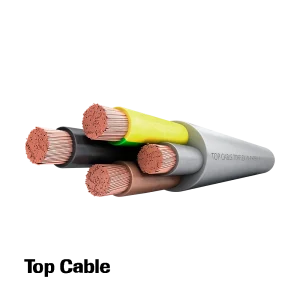
XLPE/PVC POWER CABLES
A trusted factory-direct supplier for all your XLPE power cable needs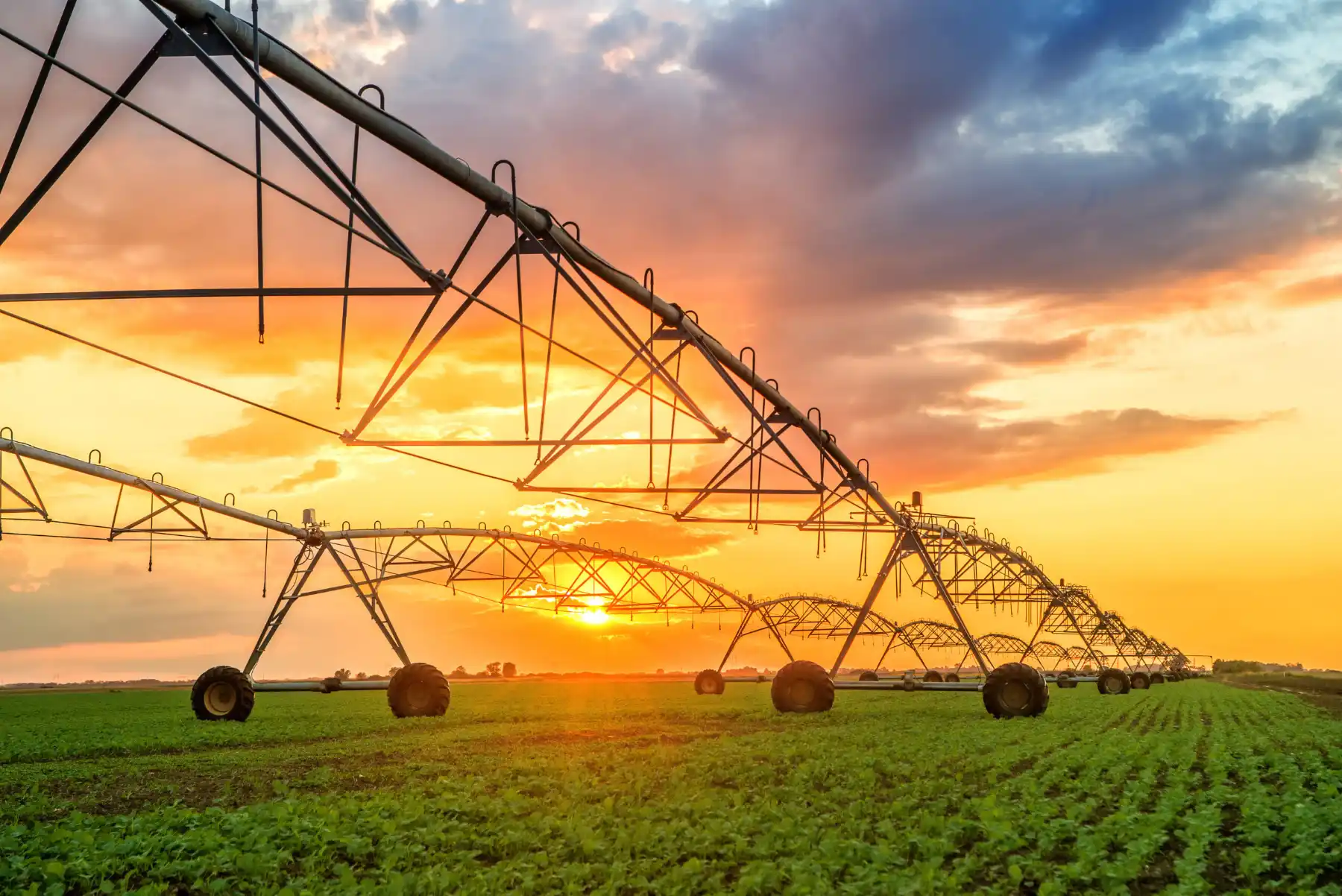
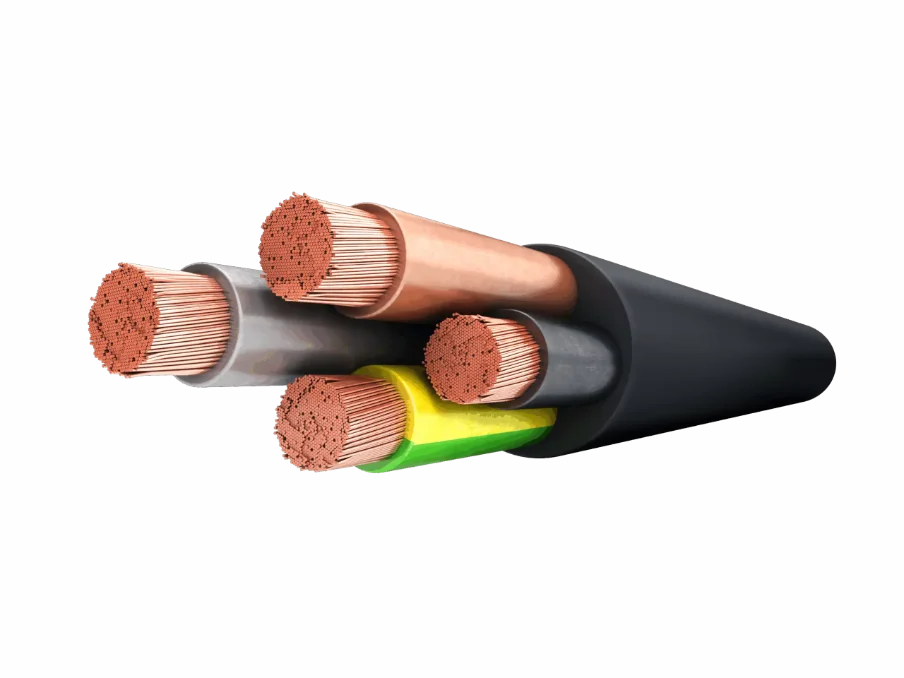
Benefits of XLPE/PVC power cables
POWERFLEX® is the best XLPE/PVC cable choice. Our cables offer several advantages: exceptional flexibility, affordability and resistance to moisture and chemicals. They are known for their ability to bend easily, making them suitable for installation in tight spaces.
Typical applications of XLPE/PVC POWER CABLES
Select...

XLPE/PVC power cables for industrial facilities
XLPE/PVC power cables provide excellent thermal stability, high voltage resistance, and long-term durability for industrial use. Their robust construction ensures reliable power distribution, resistance to chemicals and abrasion, and compliance with international standards, making them ideal for demanding factory and plant applications.

XLPE/PVC power cables for construction sites
XLPE/PVC power cables are perfect for construction sites, offering superior durability, weather resistance, and mechanical protection. Their high-temperature tolerance, moisture resistance, and compliance with safety standards ensure reliable power distribution in rugged outdoor and temporary installations. Ideal for heavy-duty construction applications.
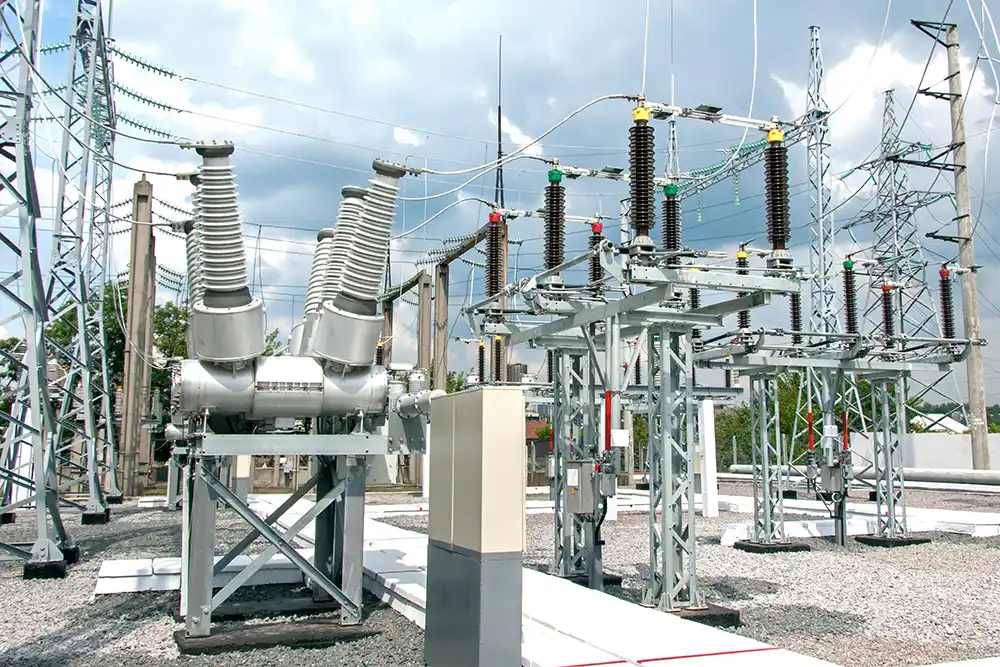
XLPE/PVC power cables for power distribution
XLPE/PVC power cables deliver superior electrical insulation, high current capacity, and long-term reliability for power distribution networks. Their robust design ensures resistance to environmental stress, mechanical damage, and temperature fluctuations while meeting international standards—ideal for efficient and safe electricity transmission in utility and industrial grids.
Industrial facilities
XLPE/PVC power cables provide excellent thermal stability, high voltage resistance, and long-term durability for industrial use. Their robust construction ensures reliable power distribution, resistance to chemicals and abrasion, and compliance with international standards, making them ideal for demanding factory and plant applications.
Construction
XLPE/PVC power cables are perfect for construction sites, offering superior durability, weather resistance, and mechanical protection. Their high-temperature tolerance, moisture resistance, and compliance with safety standards ensure reliable power distribution in rugged outdoor and temporary installations. Ideal for heavy-duty construction applications.
Power distribution
XLPE/PVC power cables deliver superior electrical insulation, high current capacity, and long-term reliability for power distribution networks. Their robust design ensures resistance to environmental stress, mechanical damage, and temperature fluctuations while meeting international standards—ideal for efficient and safe electricity transmission in utility and industrial grids.
A complete solution from Top Cable
-
High quality Cable manufacturer
Cable manufacturer Top Cable is one of Europe's leading cable manufacturers which excels in providing best-in-class service.
-
Large
cable stockLarge cable stock Our large cable stock is always ready to be shipped around the globe. -
Quality and
CertificatesQuality/Certificates In our state-of-the-art laboratories we subject our cables to stringent product testing and quality controls. -
Best-in-class-service
Best-in-class-service A friendly and eficcient sales team and our excellent logistics will satisfy your cable requirements.
Filter cable by:
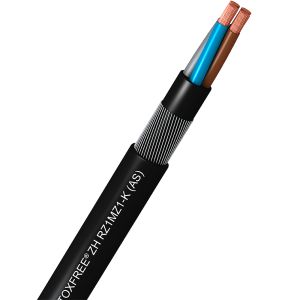
TOXFREE® LSZH RZ1MZ1-K
Enhanced Mechanical Protection / Enhanced Fire Safety | CPR Cca B2ca LSZH / For hazardous areas with explosive gas atmospheres (ATEX)
TOXFREE® LSZH RZ1 AL
Aluminium cable / Enhanced Fire Safety LSZH / CPR / Lighter Weight and Potentially Lower Cost (compared to Copper)
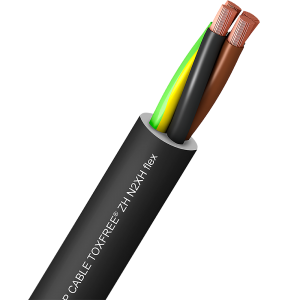
TOXFREE® LSZH N2XH flex
Enhanced Fire Safety | CPR Cca B2ca LSZH / Enhanced flexibility and ease of Installation / Versatile applications for fixed LSZH power installations
Why choose POWERFLEX® XLPE/PVC power cables?
-

Enhanced flexibility
-

Cost-effectiveness
-

Cost-effectiveness
-

Trusted Quality: cables from a recognized manufacturer
-

Technical expert support and after-sales service
-

Premium service and global logistics
Power cables FAQS (Frequent asked questions)
Power cables are designed for permanent use and may be installed as overhead wiring, exposed wiring, and direct burial applications. The power cable is constructed of one or more electrical conductors with a covering and is available in various constructions, materials, and ratings for different applications.
Power cables are commonly used in the electric industrial and commercial markets. You can find power cables in power supply systems, motor leads, signal systems, etc.
A portable cord is designed for temporary power supply, while power cables are usually installed in permanent applications.
Copper class 5 (flexible) power cable: This type of cable is suitable for electrical power transmission in all types of low voltage industrial-type connections, in urban grids, building installations, etc. Power cables are made of a copper conductor, a protective insulation and an outer sheath. These cables can be easily bent and routed, making it suitable for use in tight spaces. They can be buried or installed in a tube as well as outdoors without requiring additional protection.
XLPE stands for Cross-Linked Polyethylene. It is a type of insulation material used in electrical cables. The “cross-linked” process involves chemically bonding the polyethylene molecules, which enhances the material’s properties . The way in which this cable is usually made is by joining the molecules in strands to obtain the well-known cable insulation.
The most important features of XLPE cables are:
• Light weight
• High heat resistance
• High load capacity
• Corrosion resistant
• Does not melt easily
• Higher tensile strength
• Longer service life
• Better impact resistance
• Higher tensile strength
• Excellent electrical properties
Both PVC (Polyvinyl Chloride) and XLPE (Cross-Linked Polyethylene) have their own advantages, and the choice between them often depends on the specific application and requirements.
PVC is generally more flexible and easier to work with, making it a popular choice for many standard insulation applications. It also has good resistance to moisture and chemicals, which can be beneficial in various environments.
XLPE, on the other hand, offers superior thermal and electrical properties. It has a higher temperature rating and better resistance to heat, making it ideal for applications that involve higher temperatures or require better performance under stress. XLPE is also more resistant to environmental factors like UV radiation and has a longer lifespan.
PVC stands for Polyvinyl Chloride. It is a type of plastic commonly used as an insulation material for electrical wiring. PVC is favored for its durability, flexibility, and resistance to moisture, chemicals, and abrasion. It helps protect the conductors inside the cable from environmental factors and ensures safe electrical performance. Additionally, PVC is relatively cost-effective, making it a popular choice in various electrical applications.
XLPE cables, or cross-linked polyethylene cables, are best suited for a variety of applications due to their excellent thermal, electrical, and mechanical properties. Can be used to power distribution, industrial applications, renewable energy and marine cables.
XLPE cables generally have a higher temperature rating compared to PVC cables. Specifically, XLPE (cross-linked polyethylene) cables can typically handle temperatures up to around 90°C for continuous operation, and even higher for short periods. In contrast, PVC (polyvinyl chloride) cables usually have a maximum temperature rating of about 70°C for continuous use.
Yes, XLPE cables are generally more expensive than PVC cables. The higher cost of XLPE cables is due to the more complex manufacturing process and the superior materials used, which provide better thermal and electrical performance. Additionally, XLPE cables offer advantages like higher temperature ratings, better resistance to environmental factors, and longer lifespan, which can justify the higher initial investment in many applications.
Questions? We’ll help you find a solution.
